
























The Federal Government has initiated the construction of a modern Corporate Headquarters and Air Traffic Management (ATM) Centre for the Nigerian Airspace Management Agency (NAMA) in Abuja, marking a milestone in the country’s aviation modernization drive.
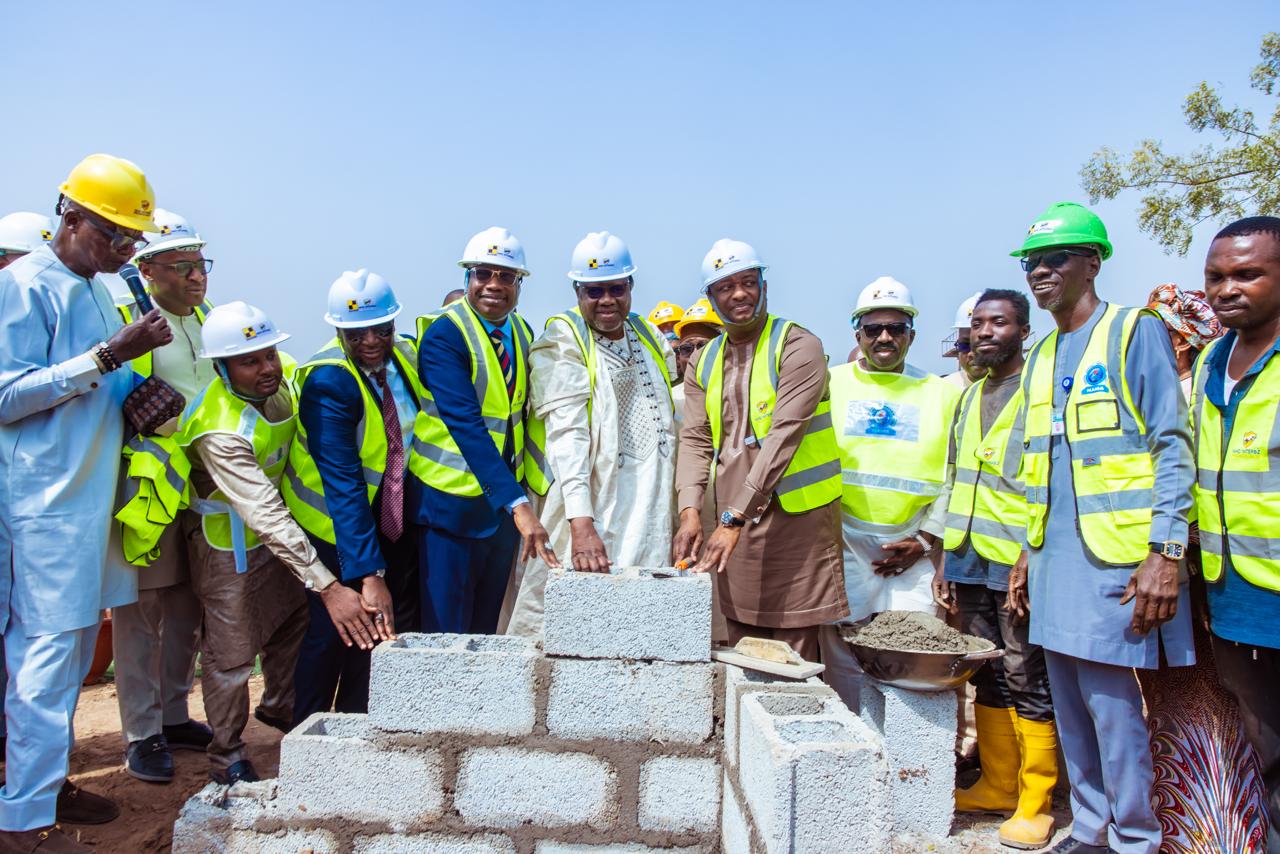
The groundbreaking ceremony, held at the Nnamdi Azikiwe International Airport, Abuja, was officiated by the Honourable Minister of Aviation and Aerospace Development, Festus Keyamo, who described the project as “a declaration of intent and a tangible demonstration of our unwavering commitment to modernizing the critical infrastructure that underpins the safety, efficiency, and growth of Nigerian aviation.”
In his address, Keyamo emphasized that the project represents a strategic response to the need to consolidate NAMA’s administrative and operational functions into a modern, purpose-built facility capable of reflecting the agency’s strategic importance to national development. “For too long, our agencies have operated in silos and in structures that do not reflect their national significance. With this new headquarters, we are creating a conducive environment that fosters innovation, enhances collaboration, and boosts the morale of the dedicated professionals who work tirelessly to keep our airspace safe,” he stated.
The new complex will integrate executive management functions with a state-of-the-art Air Traffic Management Centre, enhancing operational efficiency, safety oversight, and real-time responsiveness. The facility will provide a secure, technology-enabled environment for the management of Nigeria’s sovereign airspace, strengthening institutional credibility and investor confidence in the aviation sector.
NAMA Managing Director, Engr. Ahmed Umar Farouk, described the day as one that would be “etched in gold in the annals of the agency’s history.” He noted that the new headquarters will not only serve as an administrative hub but also house a centralized, state-of-the-art Air Traffic Management Centre that will fundamentally redefine how Nigeria manages its airspace.
Sources say the facility will be powered by cutting-edge technology designed to deliver high reliability, advanced automation, and scalability to accommodate projected growth in air traffic volumes over the coming decades. The system will optimize flight paths, reduce redundancies, improve fuel efficiency for airlines, and lower long-term operational costs.