




















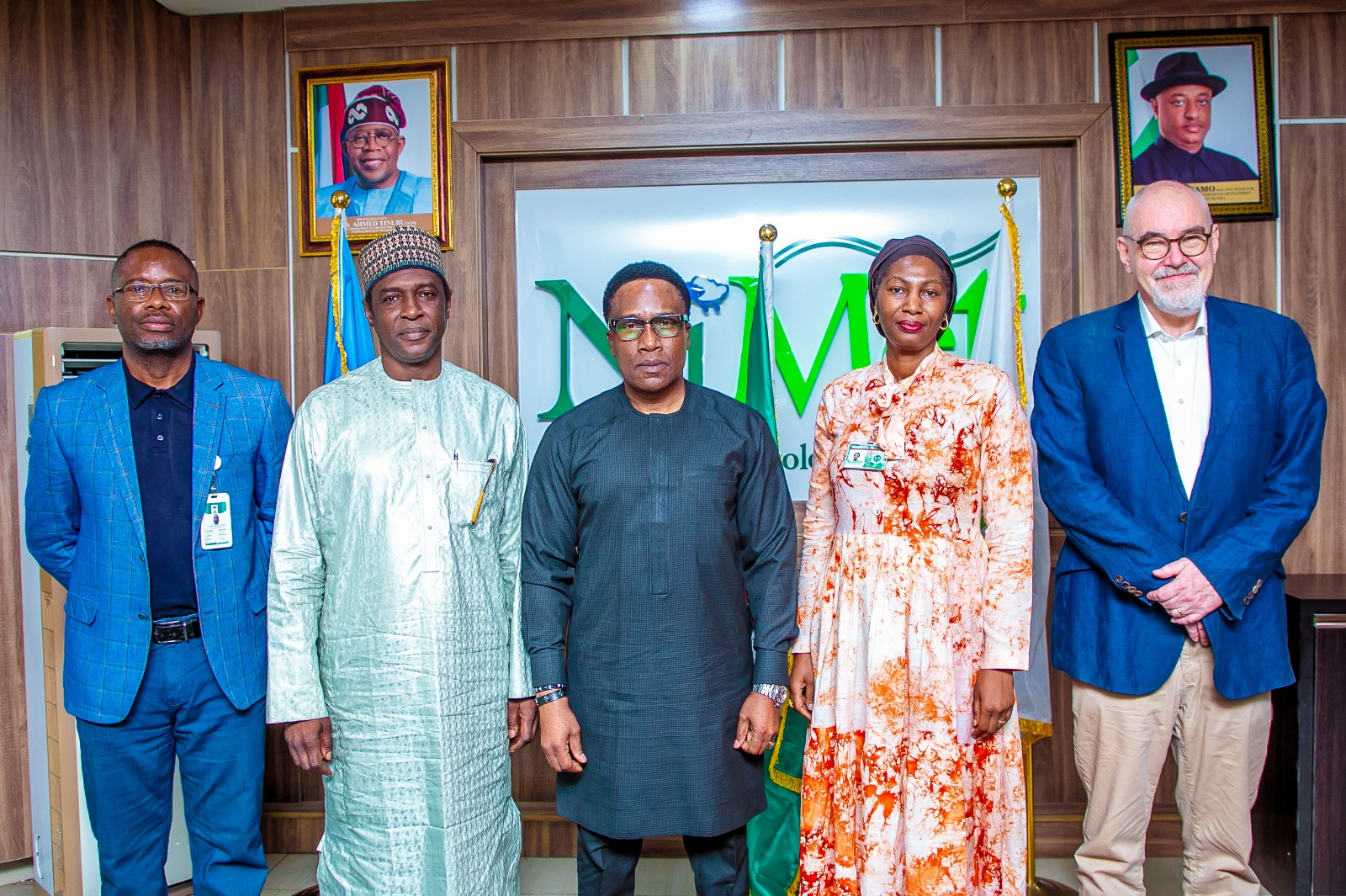
The Nigerian Meteorological Agency (NiMet) hosted the 2nd roundtable meeting on ‘Anticipatory Action Framework For Nigeria’ on Thursday, December 12, 2024. This meeting aimed to develop a unified approach and framework for anticipatory action in Nigeria, building on the November 2024 meeting convened by the Office of the Vice President, Kashim Shettima, in collaboration with the United Nations Office for the Coordination of Humanitarian Affairs (UNOCHA).
Prof. Charles Anosike, Director General (DG) and CEO of NiMet, emphasized the crucial role of the President Bola Ahmed Tinubu administration in addressing humanitarian emergencies. “The President Bola Ahmed Tinubu administration continues to play a crucial role in addressing humanitarian emergencies occasioned by conflicts, natural disasters, extreme weather events, climate change, etc.,” he said.
Anosike advocated for inter-agency cooperation and partnership to achieve collective success for Nigeria. “We need to work together to achieve our goals,” he emphasized, while also highlighting NiMet’s capabilities in providing early warnings and services through accurate weather forecasts and climate predictions, enabling anticipatory early action.
“In NiMet, with competent personnel and improved technological tools, we provide early warnings products and services through accurate, timely and actionable weather forecasts and climate prediction that allows anticipation of severe weather events,” he explained. “This enables individuals, authorities, and communities to prepare for anticipatory early action such as evacuation, resource mobilization, infrastructure reinforcement, etc.”
Commenting on the importance of NiMet’s role in disaster preparedness and response, the NiMet boss had this to say: “Our work, through continuous weather observation, monitoring and reporting, and impact-based forecasting is crucial for disaster preparedness and response thereby ensuring the right quantity of human and material resources are mobilised for the safety of vulnerable communities.”
Trond Jensen, Head of Office for UNOCHA in Nigeria, underscored the importance of anticipation in preventing or mitigating climate-related incidents, reducing suffering, and saving resources. “We live in a changing world, both in terms of climate change, and changing demographics which makes some people more vulnerable,” Jensen noted. “However, prevention is always better than the cure. So in our ability to anticipate so that we can prevent or mitigate climate-related incidents, not only do we reduce suffering, but we also save money in the process, which is critical.”
The development of an anticipatory action framework for Nigeria aims to enhance the country’s disaster management capabilities by leveraging early warning systems, impact-based forecasting, and coordinated response efforts. The framework’s implementation is expected to reduce the risk and impact of climate-related disasters, promoting resilience among vulnerable communities. Its success will depend on sustained collaboration and commitment among stakeholders.